How tourists choose wineries on Google Maps in regional Victoria
There’s a moment that happens every weekend across Victoria’s wine regions.
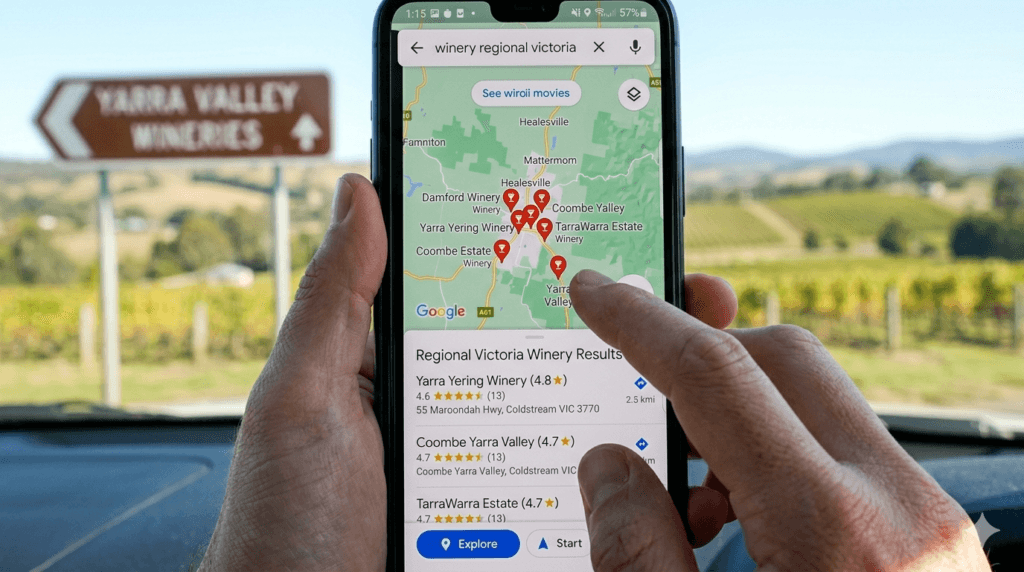
Someone planning a drive through the Yarra Valley or a long weekend in Rutherglen opens Google Maps, searches “cellar door,” and taps through a handful of listings.
Within 30 seconds they’ve made a shortlist. By Sunday afternoon they’ve tasted, bought two bottles, and driven home.
The cellar doors that didn’t make the shortlist never knew the decision happened.
I work with hospitality venues across Victoria – including cellar doors and winery restaurants – and this invisible selection process is one of the most consequential things to understand about how wine tourism actually works.
Tourists don’t turn into your driveway on a whim. They researched. They chose. And they chose before they arrived.
This article explains exactly how that research happens, what drives the decision on Google Maps, and what cellar doors across regional Victoria can do to be the venue that gets chosen.
How tourists plan winery visits – and why Google Maps is where it starts
Winery visits are not spontaneous.
They’re planned – sometimes days ahead, sometimes weeks – and that planning almost always starts on Google Maps.
Not like restaurants or cafés
Choosing a winery is different.
A tourist who’s hungry in Bright might search:
“café near me” — and decide in two minutes.
But someone planning a cellar door visit is doing something more deliberate.
They’re building an itinerary.
They want to know:
- what’s open
- whether bookings are required
- what food is available
- whether the setting is worth the drive
What people actually search
These aren’t brand searches.
They’re regional, intent-driven searches:
- “cellar door Yarra Valley open Sunday”
- “winery lunch Rutherglen”
- “King Valley wine tasting”
- “best winery Mornington Peninsula”
- “cellar door near Bright no booking”
- “winery with food High Country”
What this tells you
These are planning searches.
The person typing them is:
- comparing multiple cellar doors
- looking at the same signals across each listing
- narrowing down to two or three options
This is where decisions are made.
What this means for your cellar door
The decision to visit is made on Google Maps – not in your driveway.
Your Google Business Profile is your first impression.
And for many visitors, it’s the only one you get.
A well-optimised Google Business Profile for regional Victoria wineries helps you:
- show up in the right searches
- look credible and appealing
- get included in the itinerary before the trip even begins
If you’re not part of the shortlist during the planning stage, you’re unlikely to be visited at all.
What tourists actually look at when choosing a cellar door on Google Maps
When a tourist taps your listing, they spend about 20–30 seconds deciding whether to consider you. Here’s what they check – in the order it matters.
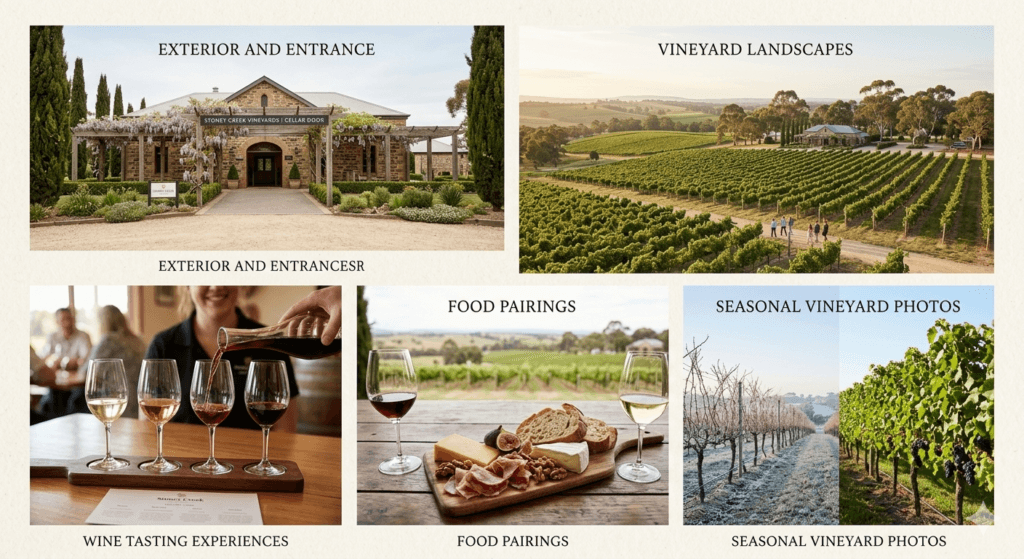
1. Photos – the vineyard, the cellar, the view
Photos load first and they form an impression within seconds.
Wine tourists are asking one question: does this place look worth the drive?
The profiles that convert views into visits show the setting – vines at golden hour, an outdoor terrace, views across the valley, the tasting room interior.
What doesn’t work: a bottle label on a white background, an empty room shot from 2020, or no photos at all.
READ MORE: What Photos Work Best on Google Business Profile for Cafés, Restaurants and Wineries
I’ve seen cellar doors in the King Valley with sweeping landscape views lose visitors every weekend because their only Google photo is a close-up of a Prosecco bottle. The venue up the road with five vineyard photos at dusk gets the visit instead.
2. Star rating and review count – the trust filter
Most tourists filter informally: below 4.0 stars they’re sceptical, below 3.8 they move on.
But the review count matters just as much.
A cellar door in Beechworth with 4.8 stars and 14 reviews still feels like a risk.
A cellar door in Rutherglen with 4.5 stars and 140 reviews feels like a reliable choice.
Volume signals consistency across seasons and visit types.
In smaller wine regions – Gippsland, the Strathbogie Ranges, the Alpine valleys – 50 solid reviews can make you the clear standout in Maps.
3. What the reviews say — and whether they tell a story
Tourists don’t just look at your rating.
They read reviews to find reassurance that matches their plans.
What tourists look for in reviews
They scan for details that fit their specific situation:
- planning a lunch → looking for mentions of food
- travelling with a dog → searching “dog friendly”
- unsure about bookings → checking if walk-ins are mentioned
They’re not reading everything — they’re looking for confirmation.
The reviews that actually influence decisions
The most powerful reviews are the ones that tell a story.
For example:
“We drove up from Melbourne and had the most beautiful afternoon on the deck — the Shiraz flight was outstanding and the views were worth every minute of the drive.”
This kind of review:
- reflects a real visitor experience
- matches the tourist journey
- builds emotional confidence
It does more for your bookings than generic marketing copy ever could.
Your replies to reviews matter too. When a tourist reads five reviews and sees the owner has responded to each one – warmly, specifically, not with a template – it signals a well-run venue.
See how to ask for reviews naturally.
4. Hours – tasting hours, seasonal hours, and booking requirements
This is one of the most common – and costly – issues for wineries.
Cellar doors don’t operate on simple, fixed hours.
They change across:
- the week
- the season
- the year
Tasting hours may differ from opening hours.
Bookings may be required on weekends but not weekdays.
Some cellar doors close entirely during winter.
⚠️ Where problems happen
If this isn’t clearly reflected in your Google Business Profile:
- tourists feel uncertain
- uncertainty leads to hesitation
- hesitation leads to choosing another winery
And when someone is considering a 30–40 minute drive, they won’t take that risk.
They’ll choose the option that looks clear and reliable.
A common failure point: “Bookings required”
This is one of the most overlooked details.
If your profile doesn’t clearly show booking requirements:
- a visitor may arrive without a booking
- be turned away
- leave frustrated
That leads to:
- a lost visit
- a potential negative review
And just as importantly:
A tourist who did check your profile first – but didn’t see that information – is also a lost booking.
5. Business description — varieties, setting, and what makes you different
Most winery descriptions are too generic.
“Family-owned winery producing premium cool-climate wines”
This could describe hundreds of cellar doors across Victoria.
What tourists actually want to know
Your description should answer:
- What varieties do you specialise in?
- What kind of experience do you offer?
- Is food available?
- What’s the setting like?
- Are bookings required?
✨ What a strong description looks like
“Cellar door and restaurant set among estate vineyards in the Strathbogie Ranges – cool-climate Shiraz and Chardonnay, shared plates, tasting flights. Bookings recommended on weekends.”
See the Google Business Profile description guide for a framework you can adapt directly
6. Attributes – the filters tourists actually use
Google Maps allows tourists to filter results using attributes.
This is especially important for winery visits.
Common filters tourists use
- dog friendly
- bookings required
- food available
- outdoor seating
- accessibility
Tourists in planning mode actively use these filters to narrow down options.
⚠️ What happens if attributes are missing
If your attributes aren’t set:
- you don’t appear in filtered searches
- you’re excluded before comparison even begins
Real example
A tourist planning a Sunday visit with their dog searches for a dog-friendly cellar door.
If that attribute isn’t selected on your profile:
you won’t appear – even if your venue is perfectly suited
On Google Maps, missing details don’t just reduce visibility — they remove you from the decision entirely.
7. Updates – showing your winery is current, open, and worth the visit
For wineries, Google Business Profile updates are not just “nice to have” – they directly support the planning process.
Tourists aren’t only asking:
- Is this winery good?
They’re asking:
- Is it worth visiting this weekend?
- Is anything happening right now?
- Will this fit into our itinerary?
What updates should show
Your updates should reflect what’s relevant now, not just in general.
This can include:
- seasonal wine releases
- tasting experiences or flights
- cellar door events
- live music or weekend offerings
- harvest season highlights
- public holiday opening hours
These give tourists a reason to choose you for this specific visit.
Why updates matter more for wineries
Unlike cafés or restaurants, winery visits are often planned in advance.
A profile with:
- no recent updates
- no visible activity
…can feel inactive — even if you’re fully open.
A profile with recent updates signals:
- the winery is active
- the experience is current
- it’s worth including in the plan
⚠️ What happens without updates
If your profile hasn’t been updated for weeks or months:
- it feels outdated
- it creates hesitation
- you may be skipped in favour of a winery that looks more current
Keep it simple and consistent
You don’t need to post constantly.
Even one update per week or per key period is enough to:
- keep your profile active
- show relevance
- support your visibility during peak times
✨ If you’re not sure what to post
👉 See What Google Business Profile Updates Work Best for Cafés, Restaurants and Wineries
or Make Your Winery Easy to Choose on Google Maps download PDF
25 Google Business Profile post templates + a simple posting system designed for independent wineries and cellar doors
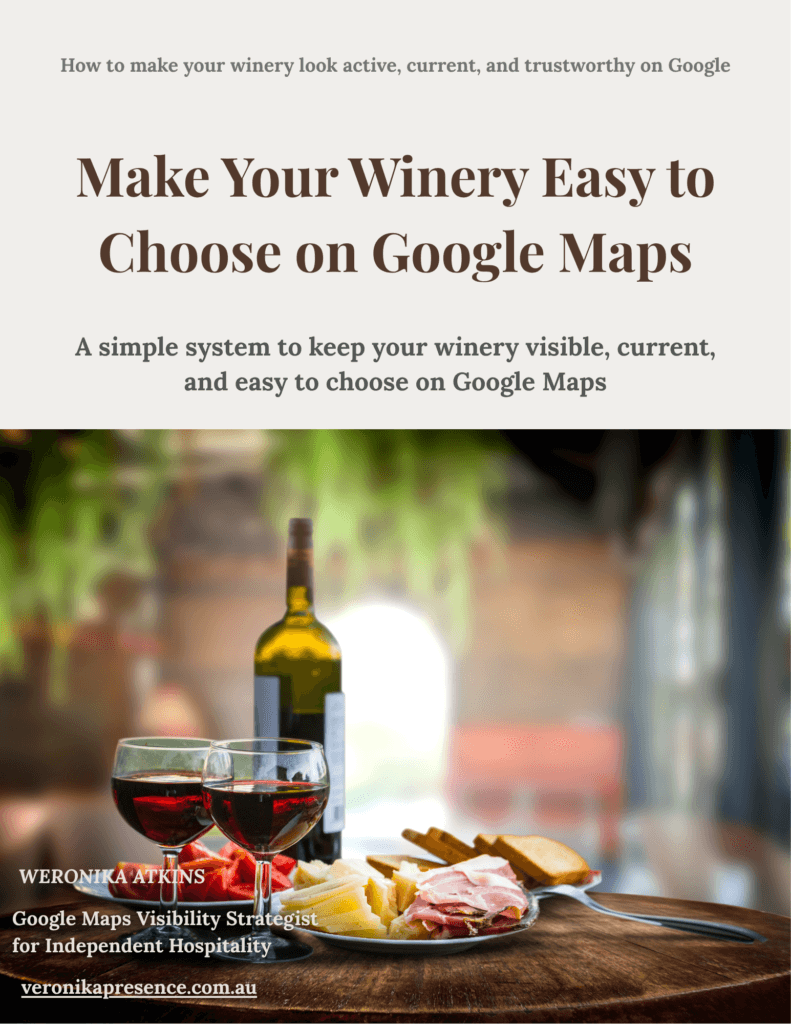
For wineries, updates don’t just keep your profile active — they help you become part of the plan.
Where tourists are searching – Victoria’s key winery regions on Google Maps
Victoria’s wine regions span the entire state, and each has its own tourist behaviour and search patterns. These are the regions where Google Maps presence makes the most direct difference to cellar door visits.
| Wine region | Common tourist searches | Peak search timing |
|---|---|---|
| Yarra Valley | “cellar door Yarra Valley” · “winery lunch Healesville” · “winery near Melbourne” | Year-round, peaks spring & autumn |
| Mornington Peninsula | “winery Mornington Peninsula” · “cellar door Red Hill” · “Pinot Noir tasting” | Spring, summer weekends, long weekends |
| Rutherglen | “winery Rutherglen” · “Muscat cellar door” · “winery lunch Rutherglen” | Autumn (Winery Walkabout), winter tastings |
| King Valley | “King Valley wine trail” · “Prosecco cellar door” · “Italian wine Victoria” | Spring, autumn, harvest season |
| Beechworth & surrounds | “cellar door Beechworth” · “winery near Beechworth” · “wine High Country” | Autumn, long weekends |
| Grampians | “winery Halls Gap” · “cellar door Grampians” · “Great Western winery” | Spring wildflower season, Easter |
| Macedon Ranges | “winery Macedon” · “cellar door Kyneton” · “Pinot Noir Macedon Ranges” | Year-round weekend day trips from Melbourne |
| Heathcote | “Heathcote winery” · “Shiraz Heathcote” · “cellar door open Sunday” | Autumn, harvest events |
| Gippsland | “winery Gippsland” · “cellar door Bairnsdale” · “winery near Leongatha” | Summer, long weekends |
| Murray & Sunraysia | “winery Mildura” · “cellar door near Mildura” · “Murray River wine” | Winter escapes, long weekends |
Three things stand out when you look across these regions:
1. Proximity searches dominate
Most wine tourists search by region, not by winery name.
They don’t know you yet – they’re discovering what’s nearby.
Searches like:
- “cellar door King Valley”
- “winery Mornington Peninsula”
- “wine tasting Yarra Valley”
are far more common than branded searches. Appearing in these regional searches is more valuable than ranking for your own name.
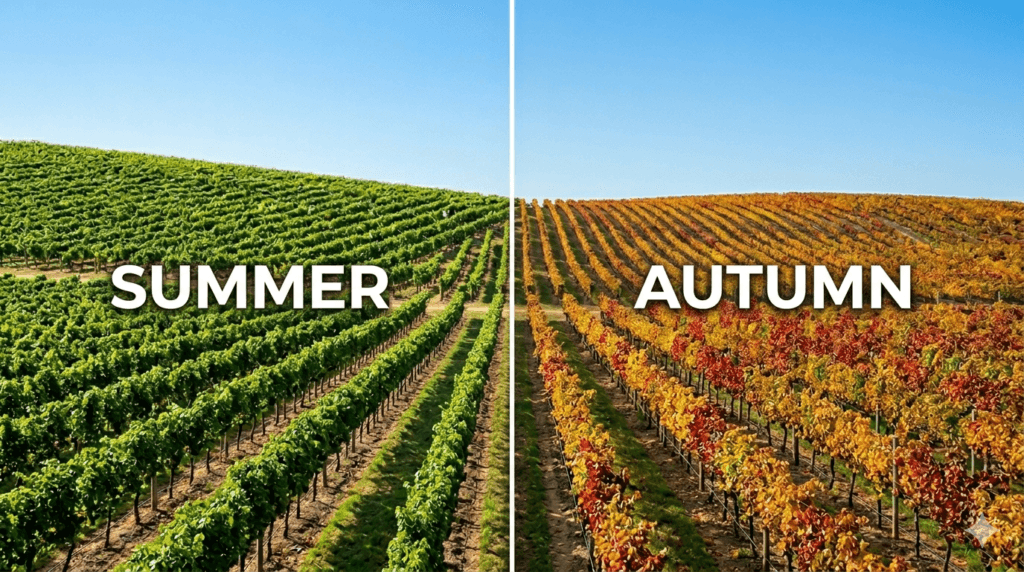
🍂 2. Seasonal timing varies significantly
Each region has its own peak periods:
- Rutherglen – June Winery Walkabout
- Mornington Peninsula – summer
- Grampians – spring
Tourist demand rises sharply during these windows.
Your Google Business Profile needs to be:
- fully updated
- active
- visually strong
before the season begins – not halfway through it.
3. Many regions have thinner competition
Not all regions are equally competitive.
Areas like:
- Gippsland
- Heathcote
- Strathbogie Ranges
often have fewer cellar doors with:
- complete profiles
- consistent updates
- strong reviews
This creates a larger opportunity – not a smaller one.
A well-maintained profile in these regions can stand out quickly and dominate local visibility.
In regional Victoria, visibility isn’t just about competition – it’s about showing up well where others don’t.
Why cellar doors have a stronger Google Maps opportunity than city venues
I cover this in the restaurant version of this guide, but the regional advantage applies even more strongly to wineries.
| Melbourne bar or venue | Regional cellar door | |
|---|---|---|
| Competing listings nearby | 20–50+ venues in Maps pack | Often 3–8 in the whole region |
| Reviews needed to compete | 200–500+ is typical | 40–100 is often enough |
| Tourist search intent | Often casual, impulsive | Usually planned, high intent |
| Lead time before visit | Minutes to hours | Days to weeks |
| Impact of a strong profile | Diluted by competition | Can dominate a region |
A tourist planning a King Valley wine trail day has maybe five or six cellar doors to choose between on Maps.
If three of those have incomplete profiles, outdated photos, or no recent reviews, and you have 60 current reviews, great photos of the vineyard, and a clear description – you’re not one of many. You’re the obvious choice.
“Some of the best wine experiences in Victoria are sitting nearly invisible on Google Maps because of fixable, ordinary problems.”
Wine tourists also bring something most hospitality guests don’t: high purchase intent. They’re driving to your property specifically to taste and potentially buy. Improving your Maps visibility has a direct, traceable line to cellar door sales – not just foot traffic.
Why tourists skip your cellar door on Google Maps – even when the wine is excellent
This is what I find most striking when I audit winery profiles. Some genuinely exceptional cellar doors across Victoria are nearly invisible on Maps because of problems that could be fixed in an afternoon.
| What tourists see | What they think — and what they do |
|---|---|
| No exterior photo or only bottle shots | “I have no idea what this place looks like.” They choose the cellar door they can picture themselves arriving at. |
| Hours show Mon–Fri only, no weekend hours listed | “Are they open Saturday?” They don’t call to check — they choose the venue that’s clearly open. |
| No mention of food anywhere on the profile | A tourist planning a cellar door lunch skips straight past to the venue that says “platters available” in the description. |
| “Bookings required” attribute missing or wrong | They drive up without booking, can’t taste, and leave frustrated — or they check first, assume walk-ins are fine, and the same thing happens. Both outcomes hurt your reviews. |
| 4.6 stars but only 9 reviews | “Maybe I’ll go to the one with 80 reviews instead.” Volume signals consistency. Nine reviews in an unfamiliar region isn’t enough to feel certain. |
| Last review was 11 months ago | Profile looks dormant. Has the cellar door changed? Is it still good? Uncertainty makes people cautious with a long drive ahead. |
| Unanswered one-star review at the top | That review sits there without context or response, which amplifies its weight enormously. Future visitors assume the worst. |
None of these issues reflect the quality of your wine. But tourists can’t taste what’s in the bottle from a screen – they can only judge what they see on the listing. Your profile is the first gate. If it doesn’t open, nobody discovers what’s on the other side.
How to make your cellar door easy to find and choose on Google Maps
Here’s what to focus on, in order of impact.
1. Update your photos – show the setting, not just the bottle
Your photos should sell the experience of being there, not just the product.
Focus on:
- exterior and driveway approach (so visitors can recognise it)
- vineyard or landscape views – especially golden hour or autumn colour
- tasting room interior – atmosphere, not just layout
- food, if offered – shared plates, cellar door lunches
- outdoor terrace or deck
- real people enjoying the space (natural, not staged)
Remove anything dark, blurry, or outdated.
READ MORE: What Photos Work Best on Google Business Profile for Cafés, Restaurants and Wineries
2. Sort your hours – all of them, including tasting times
Winery hours are more complex than most venues.
Make sure you:
- set weekday and weekend hours separately
- include tasting hours if different from opening hours
- update for all public holidays (especially long weekends)
- adjust for seasonal changes (winter vs spring/summer)
- clarify restaurant vs cellar door hours if they differ
Clear hours reduce hesitation – especially for visitors travelling longer distances.
3. Build your review base — use the post-tasting moment
The best time to ask for a review is right after a tasting or purchase.
At that moment, guests are:
- relaxed
- engaged
- most likely to respond
Simple methods:
- a friendly verbal ask
- QR code on receipts or near the exit
Even 3–4 reviews per month builds a strong profile over time.
👉 the restaurant review management page covers what consistent, ongoing care actually looks like
or set up a QR code system
Google Review QR Code for Restaurants: Simple Setup That Works
4. Rewrite your description – be specific
Avoid generic wording. Focus on clarity.
Your description should answer:
- What wine styles do you specialise in?
- What does the experience look like? (tastings, flights, tours, lunches)
- What’s the setting?
- Is food available?
- Are bookings required?
Example:
“Cellar door and restaurant set among estate vineyards — cool-climate Shiraz and Chardonnay, tasting flights and shared plates. Bookings recommended on weekends.”
5. Set your attributes – especially bookings and food
Attributes directly affect visibility in filtered searches.
Make sure these are completed:
- bookings required / recommended / walk-ins welcome
- food availability
- dog friendly
- outdoor seating
- accessibility
- serves alcohol
If these are missing, you may not appear at all when tourists filter their search.
6. Reply to reviews – especially the story-driven ones
When guests leave detailed, experience-based reviews – respond to them.
A good reply:
- acknowledges something specific
- feels personal
- reinforces the experience
For negative reviews:
- stay calm
- keep it brief
- respond professionally
An unanswered negative review does more damage than the review itself.
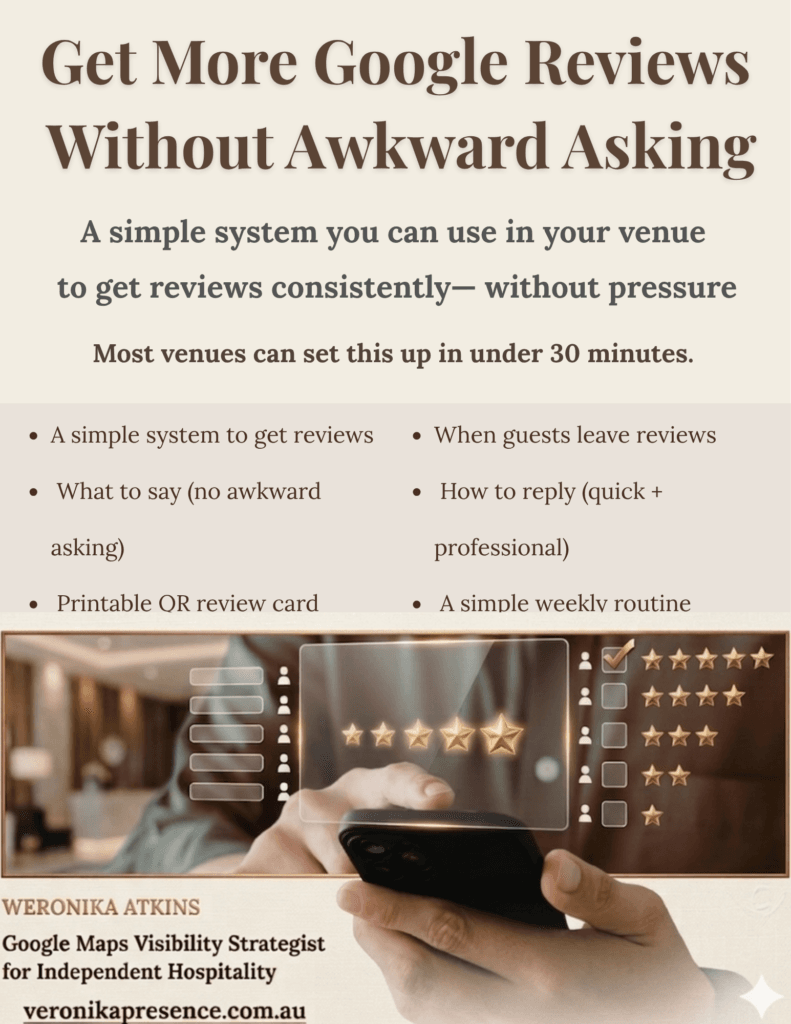
👉 See the how to get more Google reviews for your restaurant
or Get A simple system for cafés, restaurants and wineries. Set up in under 30 minutes.
7. Use Google Posts – highlight what’s happening now
Google Posts help your cellar door feel current and relevant.
Use them to share:
- harvest weekends
- new wine releases
- tasting experiences
- cellar door lunches
- seasonal events
- public holiday openings
These updates:
- appear directly on your profile
- support planning decisions
- give visitors a reason to choose you now
You don’t need to post often – once or twice per month is enough.
👉 If you’re not sure what to post, see:
What Google Business Profile Updates Work Best for Cafés, Restaurants and Wineries
For wineries, it’s not just about being found — it’s about being chosen before the trip even begins.
Frequently asked questions
Do wineries really need a Google Business Profile?
Yes – it’s one of the highest-return free tools available to a cellar door. Most wine tourists search on Google Maps before deciding where to visit. If your profile is incomplete, you simply don’t appear in the searches that matter. See how to set up a Google Business Profile for a winery in Victoria for a step-by-step guide.
How do tourists decide between two wineries in the same region?
Usually on three things: photos (which venue looks more worth the drive), review volume and recency (which venue feels consistently good), and practical clarity (which venue clearly explains what the experience involves and whether booking is required). The cellar door that answers those questions most clearly on its Google listing usually wins – regardless of which wine is actually better.
Should my cellar door mention tasting fees on Google Maps?
Yes, you can include tasting fees in the Services section of your Google Business Profile.
It’s a useful place to explain tasting options and pricing – but it shouldn’t be the only place. Many visitors won’t scroll that far, so a simple mention in your description helps set expectations and avoids confusion on arrival.
How many reviews does a winery need to be competitive on Google Maps?
It depends on the region. In the Yarra Valley or Mornington Peninsula, where competition is strong, 80–150 reviews is a solid benchmark. In less-crowded regions – Gippsland, the Strathbogie Ranges, the Murray wine country – 30–50 well-maintained reviews can make you the clear standout. Focus on consistent growth: a few reviews per month, responded to, builds real authority over a wine season. See how to get more Google reviews for your venue.
What photos work best for a winery on Google Maps?
The photos that convert the most views into visits are the ones that sell the experience of being there: vineyard landscape or views, the outdoor tasting area or terrace, the cellar door interior, and food if you offer it. Bottle shots and label photos perform poorly – tourists can see wine anywhere. They’re choosing a place to spend an afternoon. Show them what that afternoon looks like.
Does having food at my cellar door improve my Google Maps ranking?
Having food noted in your profile – in your description, attributes, and reflected in reviews – doesn’t directly change the ranking algorithm. But it expands the searches you appear for. Tourists searching “winery lunch Yarra Valley” or “cellar door with food Mornington Peninsula” are specifically looking for venues with food. If your listing doesn’t mention it, you won’t appear in those searches even if you have an excellent menu.
Can I improve my cellar door’s Google Maps visibility without spending money?
Yes, entirely. Google Maps ranking is not based on advertising — it’s based on profile completeness, relevance to the search, and reputation signals like reviews. All of these are free to improve. If you want to work through the key fixes yourself, the Fix Your GBP in 30 Minutes guide covers exactly what to check and update, written for venue owners with no technical background. $19 AUD, instant download.
Ready to make your cellar door easier to find and choose?
Start with a free visibility check – I’ll review your Google listing and give you an honest picture of where you stand before your next busy season.
Weronika Atkins is a Google Business Profile specialist working with hospitality venues across Melbourne and regional Victoria. Read more about my approach.
READ NEXT
How to Improve Your Google Business Profile for a Winery in Victoria
How tourists choose restaurants on Google Maps in regional Victoria
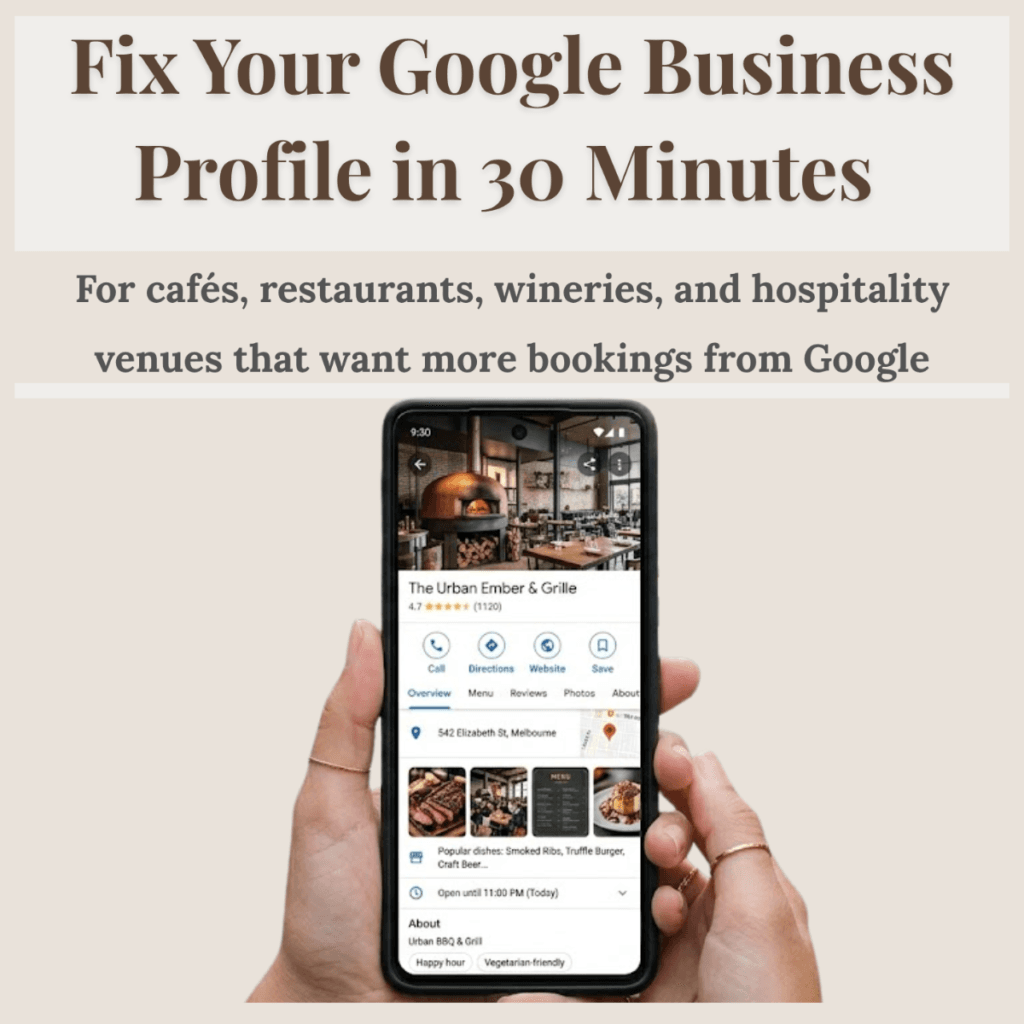
A Google Business Profile that feels clear, current, and trustworthy – so guests choose you instead of the venue next to you.
You don’t need to learn SEO.
You just need to fix what guests actually see.